
Chaplin Estates Neighbourhood Guide
By Antony Malfara, B.Comm., Broker, Royal LePage Signature Realty (RECO 4786256). Last updated: October 2026.
Living in Chaplin Estates
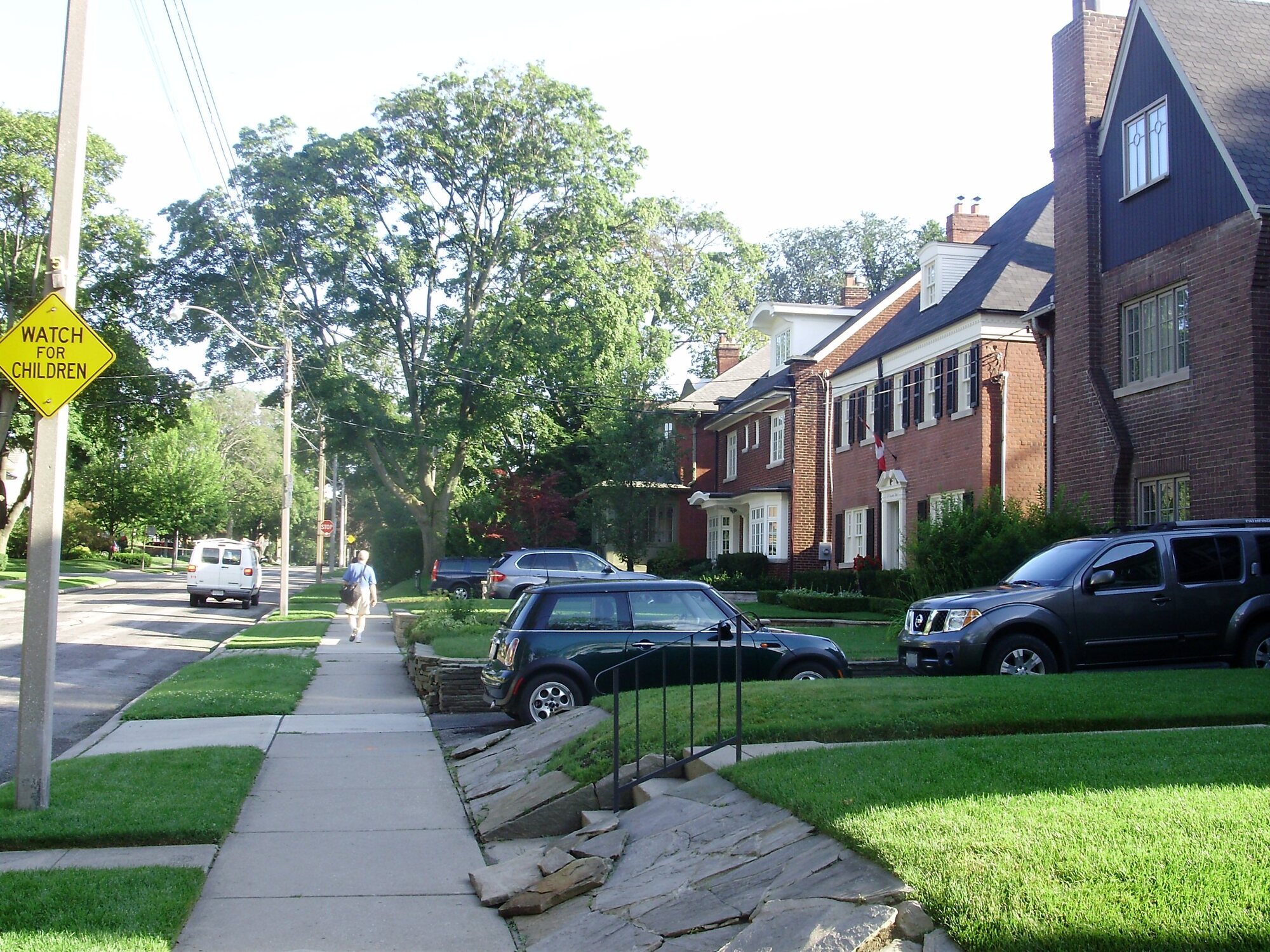
Chaplin Estates is a quiet pocket of detached brick homes tucked into the southwest corner of Yonge and Eglinton. It sits west of Yonge Street, with Eglinton Avenue to the north, Avenue Road to the west and Chaplin Crescent and the Beltline Trail along the south. Streets like Lascelles Boulevard, Oriole Parkway and Duplex Avenue are lined with big trees and 1920s and 30s houses.
What makes it special is the mix. You are a short walk from two rapid transit lines and all the shops at Yonge and Eglinton, but your street feels like a much older, calmer neighbourhood. That combination is rare in Toronto, and buyers pay for it.
A little history
This was farmland in the 1800s, and the Chaplin family owned a large piece of it near the village of Eglinton. In the early 1900s William Chaplin and his son James turned the land into a subdivision, and they filed the plan in 1913. The rules were strict for the time: houses had to be detached, and stucco on the outside was limited.
Most of the homes went up in the 1920s and 1930s in Georgian, Tudor and English cottage styles. Many were designed by well-known architects of the day, including Douglas Kertland. The old Belt Line railway ran along the southern edge, and today that line is the Kay Gardner Beltline Trail.
What the homes are like
Detached homes: almost everything here. Solid brick houses from the 1920s and 30s, many with original details, plus plenty that have been fully renovated.
Rebuilds and new custom homes: a steady share of sales, as older houses are replaced or expanded.
Semis and townhomes: rare, because the original rules called for detached homes.
Condos: not inside the neighbourhood itself, but there is lots of choice in the towers along Eglinton and Yonge, right at the edges.
What homes cost
Chaplin Estates is part of TRREB district C03, which also covers Forest Hill South, Humewood-Cedarvale and the west side of Yonge and Eglinton. In September 2026:
Detached benchmark price: $1,801,300, down 4.0% from a year earlier
Composite benchmark (all home types): $1,387,600, down 5.4%
Detached homes sold: 21, at an average of $2,521,988 and a median of $1,755,000
Condo apartment benchmark: $651,300, down 9.1%
Days on market: 22 on average, 15 for detached homes
Sale-to-list ratio: 97%
Months of inventory: 4.3
These are district figures, and C03 covers a wide range of neighbourhoods and price points. Chaplin Estates homes, especially renovated ones on the best streets, usually trade well above the district benchmark. Lot size, condition and the exact street all matter. For a real number on a specific home, ask me for a free evaluation.
Schools
Catchments are set by address and can change, so always confirm with the school board before you buy.
Oriole Park Junior Public School (JK to 5), on Braemar Avenue, right in the neighbourhood
Hodgson Middle School (Grades 6 to 8), English and Extended French
High school: North Toronto Collegiate Institute for most of the area. Some streets on the western side, including parts of Chaplin Crescent and College View Avenue, are zoned for Forest Hill Collegiate Institute instead.
Catholic: St. Monica Catholic School on Broadway Avenue, east of Yonge
Private, all close by: Upper Canada College and Bishop Strachan School on Lonsdale Road, and St. Clement's School just north of Eglinton
Getting around
Line 1 Yonge: Eglinton station is at the northeast corner of the neighbourhood, and Davisville station is a short walk to the southeast.
Line 5 Eglinton: open since February 2026, with stops at Avenue and Chaplin along the northern edge and a transfer to Line 1 at Eglinton station.
Walking and cycling: the Beltline Trail runs along the south side, and Yonge Street shops are a few minutes away on foot.
Driving: Avenue Road and Yonge get you downtown or north to Highway 401, but rush hour is slow.
Things to do
The Kay Gardner Beltline Trail: a former rail line along the southern edge, great for walking, running and cycling, with Oriole Park along the way.
Yonge and Eglinton: restaurants, cafés, a movie theatre, the Yonge-Eglinton Centre and everyday shopping.
Eglinton Park and the North Toronto Memorial Community Centre just north of Eglinton, with pools, sports fields and programs for all ages.
Forest Hill Village on Spadina Road, a short drive or bike ride west, for boutiques and a small grocery.
The honest take
It is expensive. There are very few entry points, and detached homes here usually trade above the district averages.
Older homes need investment. A house from the 1920s often needs updated wiring, plumbing, windows and insulation. Get a thorough inspection.
The edges are busy. Condo towers keep going up along Yonge and Eglinton, so expect cranes and closures near the borders for years.
The border roads are busy. Avenue Road, Eglinton and Yonge carry a lot of traffic, so homes right on or near them hear it.
Buying or selling in Chaplin Estates
If you are buying: listings are limited, so be ready to move when the right house comes up. Check the school catchment for every address, since the western streets can fall into a different high school. For older homes, get an inspection and a contractor's walk-through before you firm up.
If you are selling: lead with the location. Few neighbourhoods give you a quiet, tree-lined street within a short walk of Line 1, Line 5 and Yonge and Eglinton. Price against recent Chaplin Estates sales, not the C03 average, and make any updates obvious to buyers. Well-priced homes in C03 are selling at about 97% of asking.
Common questions
Where is Chaplin Estates? It is the southwest corner of Yonge and Eglinton, west of Yonge Street, south of Eglinton Avenue, east of Avenue Road and north of Chaplin Crescent and the Beltline Trail.
What do homes cost in Chaplin Estates? In September 2026 the detached benchmark price in TRREB district C03, which includes Chaplin Estates, was $1,801,300, and detached homes sold for an average of $2,521,988. Chaplin Estates homes often trade above the district figures.
Which schools serve Chaplin Estates? Most homes are zoned for Oriole Park Junior Public School, Hodgson Middle School and North Toronto Collegiate. Some western streets go to Forest Hill Collegiate. Check your address with the TDSB school locator.
Is Chaplin Estates close to transit? Yes. Eglinton station on Line 1 is at the corner of the neighbourhood, and Line 5 Eglinton has stops at Avenue and Chaplin along its northern edge.
How fast do homes sell in Chaplin Estates? In September 2026 homes in district C03 sold in 22 days on average, and detached homes in 15 days.
Thinking about Chaplin Estates?
Chaplin Estates sits right next to my Yonge and Eglinton farm, and I can give you a straight, street-level read on what a home is worth. Call or text me at (416) 709-0988, or request a free home evaluation. Live listings in Chaplin Estates are below.
Market figures: TRREB Market Watch, September 2026, district C03. School information from the TDSB, TCDSB and school websites as of September 2026; confirm your address with the board.
About the author
Antony Malfara, B.Comm., Broker, Co-Team Lead, Property Boys, Royal LePage Signature Realty, Brokerage. Over 10 years in Toronto real estate, 500+ transactions and more than $350 million in sales, focused on Midtown and North Toronto. RECO registration 4786256. CLHMS, MCNE. Speaks English, Italian and French. More about Antony. Last updated: October 2026.
More questions about Chaplin Estates
Chaplin Estates is the southwest corner of Yonge and Eglinton: west of Yonge Street, south of Eglinton Avenue, east of Avenue Road and north of Chaplin Crescent and the Beltline Trail. Streets like Lascelles Boulevard, Oriole Parkway and Duplex Avenue are lined with big trees and 1920s and 30s houses.
Chaplin Estates is almost entirely detached homes: solid brick houses from the 1920s and 30s in Georgian, Tudor and English cottage styles, many with original details and many fully renovated. The original subdivision rules required detached houses, so semis and townhomes are rare. Rebuilds are a steady share of sales, and condos sit in the towers along Eglinton and Yonge at the edges.
Most Chaplin Estates homes are zoned for Oriole Park Junior Public School on Braemar Avenue, Hodgson Middle School and North Toronto Collegiate Institute. Some western streets, including parts of Chaplin Crescent and College View Avenue, go to Forest Hill Collegiate Institute instead. St. Monica is the Catholic option. Catchments are set by address, so confirm with the school board.
Yes. Eglinton station on Line 1 is at the northeast corner of Chaplin Estates, and Davisville station is a short walk southeast. Line 5 Eglinton, open since February 2026, has stops at Avenue and Chaplin along the northern edge, with a transfer to Line 1 at Eglinton station. The Beltline Trail runs along the south side for walking and cycling.
The main downsides of Chaplin Estates are price, older homes and busy edges. There are very few entry points, and detached homes are priced at the upper end of Midtown. Houses from the 1920s often need updated wiring, plumbing, windows and insulation. Condo towers keep going up along Yonge and Eglinton, and Avenue Road, Eglinton and Yonge carry heavy traffic near the borders.
Compare and run the numbers
Compare: Forest Hill vs Lawrence Park · Yonge and Eglinton vs Davisville · All neighbourhood guides
Run the numbers: Which neighbourhood fits you? · What can I afford? Budget Map · Toronto sell rate map · Cost to own calculator · Land transfer tax calculator · Seller net proceeds calculator