
Summerhill Neighbourhood Guide
By Antony Malfara, B.Comm., Broker, Royal LePage Signature Realty (RECO 4786256). Last updated: October 2026.
Living in Summerhill
Summerhill is a small, walkable neighbourhood built around Yonge Street between Rosedale and St. Clair. It has its own subway stop, a short run of shops and restaurants on Yonge, and quiet side streets of Victorian and Edwardian houses on both sides. Rosedale sits to the east, Deer Park and Moore Park to the north, and Yorkville and the Annex to the south and west.
People tend to pick Summerhill because it gives them a lot of what Rosedale and Yorkville offer at a smaller scale: older homes with character, the subway at the corner and downtown about 10 minutes away. It is a short ride down Yonge from Yonge and Lawrence, where I do most of my work, and it comes up often with clients who want to be closer to the core.
A little history
The neighbourhood takes its name from Summer Hill, a house built in 1842 by Charles Thompson, who ran stagecoach and steamboat lines. Much of the area was once part of his estate, and it was subdivided for housing in the decades that followed. In the 1880s the Canadian Pacific Railway opened North Toronto station on Yonge Street, and the neighbourhood grew up around it.
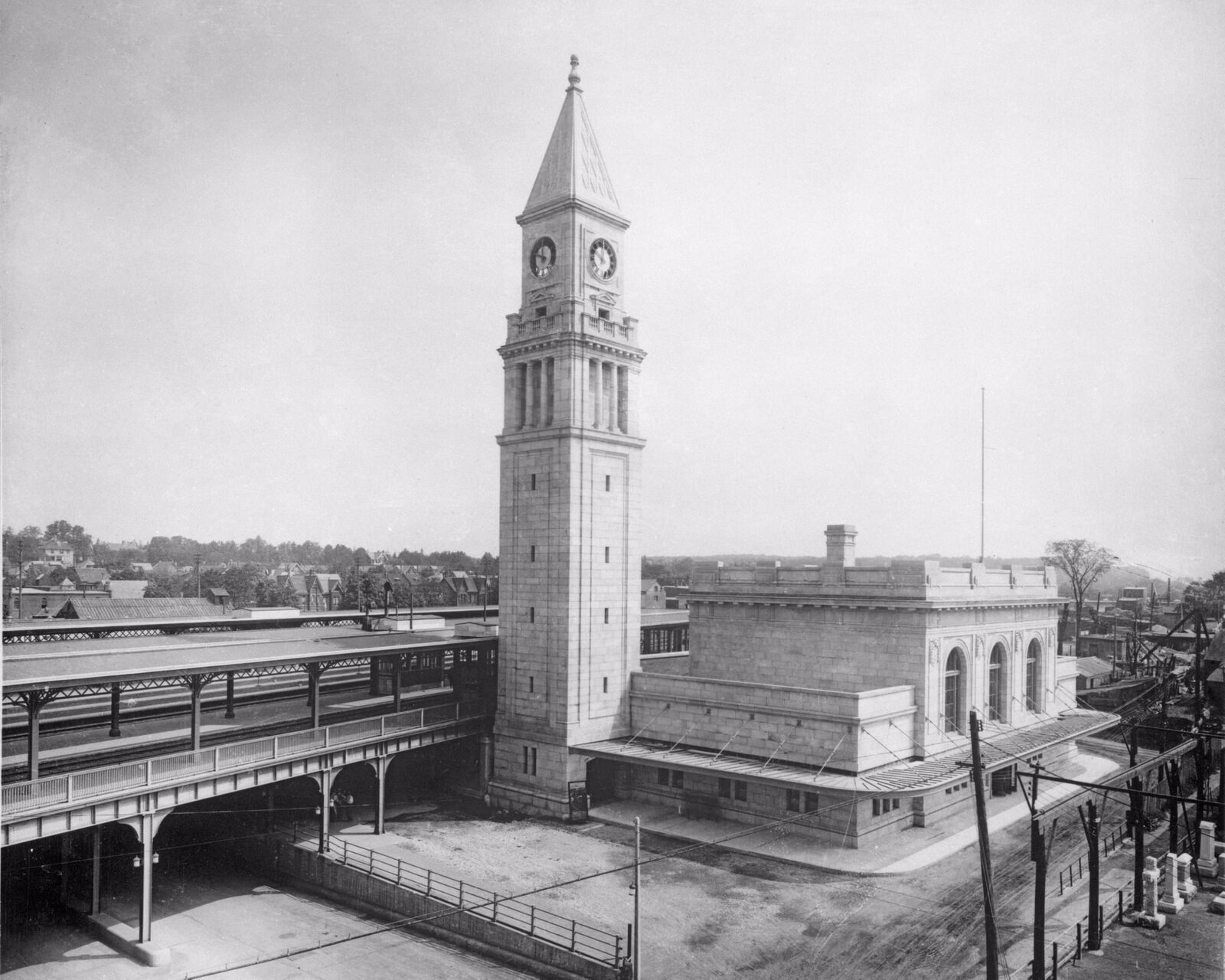
The station building that still stands, with its clock tower, opened in 1916. Passenger service ended in 1931, and today the restored building houses an LCBO. Summerhill station on the Yonge subway opened in 1954 and brought new life to the area. The CPR bridge over Yonge is still in use and is a local landmark.
What the homes are like
Semi-detached and row houses: a big share of the original homes. Many are Victorian and Edwardian brick houses on narrow lots, most of them renovated.
Detached homes: late 1800s to early 1900s, on the side streets on both sides of Yonge. Larger lots are more common on the east side, toward Rosedale.
Townhomes and low-rise condos: newer infill, plus boutique buildings along and near Yonge.
Condos: a few mid-rise buildings close to the subway, with more choice just south at Yonge and Bloor.
What homes cost
Yonge Street divides TRREB districts here. The west side of Summerhill is in district C02, which also covers the Annex, Casa Loma, Wychwood and Yonge and St. Clair. The east side is in district C09, Rosedale and Moore Park. In September 2026:
Detached benchmark: $2,565,300 in C02 (down 0.9% from a year earlier) and $3,407,500 in C09 (down 6.4%)
Semi-detached benchmark: $1,818,500 in C02 (down 2.5%) and $2,303,300 in C09 (down 3.3%)
Townhouse benchmark: $1,556,700 in C02 (up 0.9%) and $1,483,600 in C09 (down 0.8%)
Condo apartment benchmark: $796,000 in C02 (down 3.0%) and $749,700 in C09 (down 14.2%)
Days on market: 38 in C02 and 35 in C09
Sale-to-list ratio: 98% in C02 and 94% in C09
Months of inventory: 5.7 in C02 and 5.0 in C09
These district numbers include much bigger homes in Rosedale, Casa Loma and the Annex, so treat them as a guide to the trend, not a price for your street. In Summerhill, a renovated semi and a detached home a few doors apart can be very different numbers. For a real figure on a specific home, ask me for a free evaluation.
Schools
Catchments are set by address and can change, so always confirm with the school board before you buy.
Cottingham Junior Public School (JK to 6) on Birch Avenue, serving many streets west of Yonge. The school dates back to 1890.
Rosedale Junior Public School (JK to 6), serving many streets east of Yonge
Grades 7 and 8: Jesse Ketchum Junior and Senior Public School (JK to 8) for most streets west of Yonge, and Deer Park Junior and Senior Public School (JK to 8) for most streets east of Yonge
High school: Jarvis Collegiate Institute (Grades 9 to 12) for most of the area
Private, all close by: The York School on Yonge Street (co-ed, JK to 12, International Baccalaureate), De La Salle College "Oaklands" on Farnham Avenue (Catholic, co-ed, Grades 5 to 12) and Branksome Hall in Rosedale (girls, JK to 12)
Getting around
Line 1 Yonge: Summerhill station is in the middle of the neighbourhood, with Rosedale and St. Clair stations one stop either way. Downtown is about 10 minutes away.
Line 2 Bloor-Danforth: Bloor-Yonge station is two stops south.
Line 5 Eglinton: open since February 2026, a few stops north at Eglinton station.
Buses: the 82 Rosedale bus runs east from Rosedale station into Rosedale and toward Summerhill Avenue.
Driving: Avenue Road and Mount Pleasant are close, and the Don Valley Parkway is a short drive east.
Things to do
Yonge Street: cafés, restaurants, specialty food shops and services between Rosedale and St. Clair, all walkable.
The LCBO in the old North Toronto station, a beautiful old building with its 1916 clock tower.
Ramsden Park, one of the largest parks in central Toronto at 13.7 acres, with playgrounds, tennis and basketball courts, a rink and an off-leash area. The land was once the Yorkville brick yards.
Summerhill Market, the family-run grocery that started in Rosedale in 1954, a few minutes east.
Ravine walks: David A. Balfour Park and the Vale of Avoca ravine are just north, and the Rosedale ravines are a few minutes east.
The honest take
It is small. Only a few homes come up for sale at a time, so you may have to wait for the right one.
Lots are tight on the west side. Many homes are semis and row houses on narrow lots, with laneway or street parking. Check parking before you fall in love.
Older homes need investment. Many houses are well over 100 years old. Budget for updates and get a thorough inspection.
Yonge Street is busy. Homes right on or next to Yonge and the rail line hear more noise. A block or two in makes a big difference.
Buying or selling in Summerhill
If you are buying: decide first whether you want the west side, with more semis and a lower entry point, or the east side, with bigger lots next to Rosedale. Check which TRREB district, school catchment and parking setup each home has. Supply is thin, so be ready to move when the right house comes up.
If you are selling: lead with the walk to Summerhill station, the shops on Yonge and the character of the house. Price against recent sales on your side of Yonge and your type of home, not the district average, because C02 and C09 include very different housing.
Common questions
What district is Summerhill in? It straddles two TRREB districts. The west side of Yonge is in C02 and the east side is in C09, Rosedale and Moore Park.
What do homes cost in Summerhill? In September 2026 the semi-detached benchmark was $1,818,500 in district C02 and $2,303,300 in C09. The detached benchmark was $2,565,300 in C02 and $3,407,500 in C09.
Is Summerhill close to the subway? Yes. Summerhill station on Line 1 is right on Yonge, and Rosedale and St. Clair stations are one stop away.
Is the LCBO really in an old train station? Yes. It is in the former North Toronto CPR station, which opened in 1916 and closed to passengers in 1931.
What is the difference between Summerhill and Rosedale? Summerhill is smaller and centred on Yonge Street, with more semis and row houses. Rosedale, to the east, is mostly detached homes on larger, quieter ravine streets.
Thinking about Summerhill?
Whether you are buying your first house close to the core or selling a home you have loved for years, I will give you a street-level read on value. Call or text me at (416) 709-0988, or request a free home evaluation. Live listings in Summerhill are below.
Market figures: TRREB Market Watch, September 2026, districts C02 and C09. School information from the TDSB, TCDSB and school websites as of September 2026; confirm your address with the board.
About the author
Antony Malfara, B.Comm., Broker, Co-Team Lead, Property Boys, Royal LePage Signature Realty, Brokerage. Over 10 years in Toronto real estate, 500+ transactions and more than $350 million in sales, focused on Midtown and North Toronto. RECO registration 4786256. CLHMS, MCNE. Speaks English, Italian and French. More about Antony. Last updated: October 2026.
More questions about Summerhill
Summerhill is a small, walkable neighbourhood on Yonge Street between Rosedale and St. Clair. Rosedale sits to the east, Deer Park and Moore Park to the north, and Yorkville and the Annex to the south and west. It has its own subway stop, a short run of shops and restaurants on Yonge, and quiet side streets of Victorian and Edwardian houses.
Summerhill is known for semi-detached and row houses, many of them renovated Victorian and Edwardian brick homes on narrow lots. Detached homes from the late 1800s to early 1900s line the side streets, with larger lots more common on the east side toward Rosedale. There is also newer townhome and low-rise condo infill, plus a few mid-rise condos near the subway.
Cottingham Junior Public School serves many Summerhill streets west of Yonge, and Rosedale Junior Public School serves many east of Yonge. For Grades 7 and 8, most west-side streets go to Jesse Ketchum and most east-side streets to Deer Park Junior and Senior Public School. Jarvis Collegiate Institute is the high school for most of the area. Catchments are set by address, so confirm with the school board.
Summerhill is smaller and centred on Yonge Street, with more semis and row houses, many on narrow lots. Rosedale, to the east, is mostly detached homes on larger, quieter ravine streets. Summerhill offers a lot of what Rosedale and Yorkville do at a smaller scale: older homes with character, the subway at the corner and downtown about 10 minutes away.
The main downsides of Summerhill are limited supply, tight lots and older homes. Only a few homes come up for sale at a time, so buyers may need to wait. Many west-side homes are semis and row houses on narrow lots with laneway or street parking. Many houses are over 100 years old, and homes on or next to Yonge and the rail line hear more noise.
Compare and run the numbers
Compare: All neighbourhood guides
Run the numbers: Which neighbourhood fits you? · What can I afford? Budget Map · Toronto sell rate map · Cost to own calculator · Land transfer tax calculator · Seller net proceeds calculator